

Frozen strawberries have become an essential staple in Canadian households, food manufacturing, and the health-conscious market. With year-round availability, consistent quality, and impressive nutritional benefits, they are no longer seen as a secondary option to fresh fruit.
This comprehensive guide explores nutrition facts of frozen strawberries, their full nutritional value, calorie content, health benefits, and why they are a smart choice for both consumers and food businesses in Canada.
As demand for clean-label, nutrient-dense foods grows in Canada, frozen strawberries stand out as a reliable and scientifically supported option that meets modern dietary expectations.

Understanding Frozen Strawberries and How They Are Processed
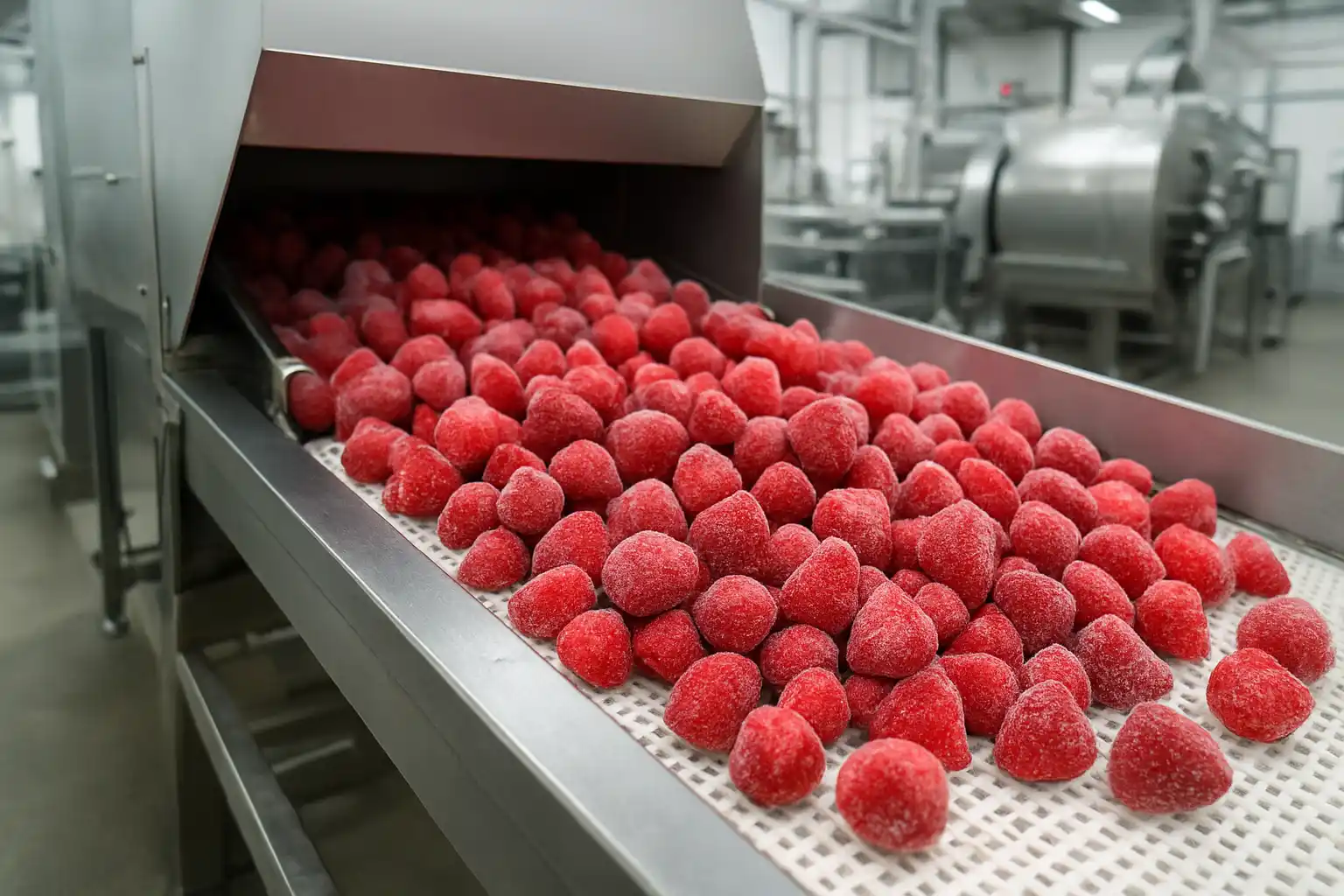
Frozen strawberries are harvested at peak maturity, when their nutritional profile is fully developed. Immediately after harvesting, they are washed, sorted, and rapidly frozen using Individual Quick Freezing (IQF) technology. This process preserves texture, color, flavor, and most importantly, nutrients.
Unlike some fresh strawberries that may lose nutritional value during long transportation or storage, frozen strawberries maintain their integrity from farm to freezer. This makes them particularly valuable in a country like Canada, where local strawberry seasons are limited.
Read more about: frozen strawberries.
Frozen Strawberries Nutritional Value Explained
When examining frozen strawberries nutritional value, one of the most notable features is their low calorie count combined with high micronutrient density. Unsweetened frozen strawberries provide essential vitamins and minerals while remaining naturally low in fat and sodium.
Typical Nutrition Profile (Per 1 Cup, Unsweetened)
A standard cup of frozen strawberries delivers a balanced nutritional profile that supports daily health needs:
- Calories: approximately 50 to 85
- Carbohydrates: around 13 to 20 grams
- Dietary Fiber: roughly 2 to 5 grams, contributing about 8% to 17% of the recommended daily intake
- Natural Sugars: between 6 and 10 grams
- Protein: about 1 gram
- Fat: virtually zero
- Sodium: minimal, often under 4 milligrams
This composition makes frozen strawberries suitable for calorie-controlled diets without sacrificing flavor or nutritional impact.
Read more about: Canadian frozen strawberries.
Calories in Frozen Strawberries: What Canadians Should Know?
Interest in calories in frozen strawberries has increased as more Canadians adopt mindful eating habits. Compared to many processed snacks or sweetened fruit products, frozen strawberries are remarkably low in calories.
A full cup provides sweetness and volume for smoothies, desserts, or breakfast bowls while contributing only a small fraction of daily caloric needs. This makes frozen strawberry calories especially appealing for individuals focused on weight management, athletes monitoring energy intake, and food service operators designing balanced menus.
Discover more about: frozen fruit.
Frozen Strawberry Calories vs Fresh Strawberries
From a calorie perspective, frozen and fresh strawberries are nearly identical when no sugar is added.
The key difference lies in consistency and availability. Frozen strawberries provide stable calorie content throughout the year, whereas fresh strawberries may vary slightly due to ripeness, storage time, and transportation conditions.
For Canadian consumers, frozen options offer nutritional predictability, which is essential for structured dietary planning.
Read more: For Poland | Foodex the Best IQF Strawberry Exporter in Season 2024/2025.
nutrition facts of frozen strawberries: Vitamins and Minerals in Frozen Strawberries
Nutrition facts of frozen strawberries are rich in essential micronutrients that support overall wellness. Their vitamin and mineral profile plays a significant role in immune support, cardiovascular health, and cellular protection.
Vitamin C
Frozen strawberries are an exceptional source of vitamin C, often delivering more than the daily recommended intake in a single cup. Vitamin C contributes to immune defense, collagen formation, and antioxidant protection, making frozen strawberries particularly valuable during Canada’s long winter months.
Potassium
Potassium supports normal muscle function, nerve signaling, and blood pressure regulation. A serving of frozen strawberries provides a meaningful contribution to daily potassium needs, supporting heart health.
Manganese
Manganese is present in notable amounts and plays a role in bone development, metabolism, and antioxidant enzyme function. Frozen strawberries contribute significantly to daily manganese intake.
Folate
Folate supports cell growth and red blood cell formation. Frozen strawberries provide a moderate amount, making them beneficial for a wide range of age groups.
Calcium and Iron
While present in smaller quantities, calcium and iron still contribute to overall mineral intake when frozen strawberries are consumed regularly as part of a varied diet.

Antioxidant Power and Heart Health Benefits
Frozen strawberries are naturally rich in antioxidants, including anthocyanins and flavonoids. These compounds help protect cells from oxidative stress and support cardiovascular health.
Scientific research consistently links strawberry consumption with improved cholesterol profiles, reduced inflammation, and better vascular function. For Canadians concerned about heart health, frozen strawberries provide an accessible and affordable solution.
Digestive Health and Fiber Content
Dietary fiber is another important component of frozen strawberries nutritional value. Fiber supports digestive regularity, gut health, and blood sugar balance. Including frozen strawberries in smoothies, oatmeal, or yogurt can help increase daily fiber intake naturally.
Read more about: For Canada | The best frozen strawberry exporter.
Are Frozen Strawberries Keto-Friendly?
Frozen strawberries can fit into a ketogenic lifestyle when consumed in moderation. A standard cup contains roughly 13 grams of carbohydrates, with about 3 grams coming from fiber. This results in approximately 10 grams of net carbohydrates.
Given that many ketogenic diets allow between 20 and 50 grams of net carbs per day, frozen strawberries can be included strategically, particularly for those seeking nutrient diversity without exceeding carbohydrate limits.
Are Frozen Strawberries Gluten-Free?
Frozen strawberries are naturally gluten-free. They do not contain wheat, barley, rye, or any gluten-containing grains. For Canadians with celiac disease or gluten sensitivity, plain unsweetened frozen strawberries are a safe and reliable choice.
It is always recommended to review packaging labels to ensure no additives or cross-contamination have occurred during processing, but the fruit itself is inherently gluten-free.
Why Frozen Strawberries Are a Smart Choice?
Nutrient Retention Through Freezing
One of the primary advantages of frozen strawberries is nutrient retention.
By freezing strawberries shortly after harvest, vitamins and antioxidants are effectively locked in. In some cases, frozen strawberries may even retain more nutrients than fresh strawberries stored for several days.
Year-Round Availability in Canada
Canada’s climate limits local strawberry availability. Frozen strawberries eliminate seasonal barriers, ensuring consistent access regardless of weather conditions or import cycles.
Convenience and Versatility
Frozen strawberries require no washing, trimming, or immediate consumption. They are ideal for smoothies, baking, sauces, desserts, and industrial food production. This convenience makes them popular among households, restaurants, and food manufacturers.
Foodex and Quality Considerations for Imported Frozen Strawberries
When sourcing frozen strawberries for the Canadian market, quality standards are critical. Premium frozen strawberries should demonstrate uniform appearance, natural color, firm texture, and clean flavor without off-odors or oxidation.
As with Foodex, we care for delivering the excellent quality of frozen strawberry Canada.
Strict physical, chemical, and microbiological specifications ensure food safety, shelf stability, and compliance with Canadian import regulations.
Egyptian IQF Frozen Strawberries and Global Supply
Egypt has emerged as a competitive global supplier of IQF frozen strawberries, offering consistent quality and reliable volumes. Carefully selected varieties such as Camarosa and Festival are known for their vibrant color, balanced sweetness, and firm texture.
High-quality IQF frozen strawberries from Egypt are processed under controlled conditions, including washing, sorting, rapid freezing, and hygienic packaging. These standards align with international food safety requirements and make them suitable for the Canadian market.
Conclusion about nutrition facts of frozen strawberries
Frozen strawberries are far more than a convenient alternative to fresh fruit. Their impressive nutritional value, low calorie content, antioxidant richness, and year-round availability make them a strategic choice for Canadian consumers and food businesses alike.
Understanding nutrition facts of frozen strawberries, frozen strawberries nutritional value, calories in frozen strawberries, and their broader health benefits allows for informed dietary decisions and smarter sourcing strategies. Whether used in home kitchens, food manufacturing, or international trade, frozen strawberries continue to prove their value as a nutritious, versatile, and dependable fruit option in Canada’s evolving food landscape.
The nutrition facts of frozen strawberries reveal why this fruit has become an essential component of healthy diets and food formulations across Canada, especially as consumers increasingly seek nutrient-dense foods that are convenient, affordable, and available year-round.
When examining the nutrition facts of frozen strawberries , it becomes clear that freezing does not diminish their health benefits; in many cases, it preserves them at optimal levels. Harvested at peak ripeness and rapidly frozen, strawberries retain a high concentration of vitamin C, dietary fiber, antioxidants, and essential minerals, making them comparable to, and sometimes more reliable than, fresh strawberries that may spend days in transportation and storage.
From a caloric standpoint, the nutrition facts of frozen strawberries highlight their low energy density, typically providing fewer than 90 calories per cup when unsweetened, which makes them ideal for weight-conscious consumers and balanced meal planning.
Carbohydrates in frozen strawberries are naturally occurring, primarily from fruit sugars, while fiber content plays a key role in slowing sugar absorption and supporting digestive health. Another important aspect found within the nutrition facts of frozen strawberries is their negligible fat and sodium content, aligning well with heart-healthy dietary recommendations commonly followed in Canada.
In addition, frozen strawberries offer an impressive antioxidant profile, including anthocyanins and polyphenols, which contribute to cardiovascular protection and cellular health. These compounds remain stable during proper freezing processes, reinforcing the reliability of the nutrition facts of frozen strawberries for long-term storage and consistent nutritional intake.
Potassium and manganese levels further support muscle function, metabolic processes, and bone health, while folate contributes to normal cell growth and red blood cell formation.
For individuals following specialized diets, the nutrition facts of frozen strawberries demonstrate their suitability for gluten-free and low-fat eating patterns, as well as controlled-carbohydrate lifestyles when consumed in moderation.
From a practical perspective, frozen strawberries allow Canadians to incorporate fruit into smoothies, baked goods, sauces, and desserts without worrying about spoilage or seasonal availability, all while maintaining confidence in the nutrition facts of frozen strawberries listed per serving.
Food manufacturers and importers also rely on standardized nutritional profiles, as consistent freezing methods ensure predictable nutrient values that meet labeling and regulatory requirements.
As public awareness of clean-label foods continues to grow, the nutrition facts of frozen strawberries position them as a transparent, minimally processed option that aligns with modern health trends.
Ultimately, whether evaluated by consumers, dietitians, or food industry professionals, the nutrition facts of frozen strawberries confirm that this fruit delivers exceptional nutritional value, functional versatility, and long-term reliability, making it a strategic ingredient within the Canadian food market and a cornerstone of health-focused dietary choices The nutrition facts of frozen strawberries reveal why this fruit has become an essential component of healthy diets and food formulations across Canada, especially as consumers increasingly seek nutrient-dense foods that are convenient, affordable, and available year-round.
When examining the nutrition facts of frozen strawberries, it becomes clear that freezing does not diminish their health benefits; in many cases, it preserves them at optimal levels. Harvested at peak ripeness and rapidly frozen, strawberries retain a high concentration of vitamin C, dietary fiber, antioxidants, and essential minerals, making them comparable to, and sometimes more reliable than, fresh strawberries that may spend days in transportation and storage.
From a caloric standpoint, the nutrition facts of frozen strawberries highlight their low energy density, typically providing fewer than 90 calories per cup when unsweetened, which makes them ideal for weight-conscious consumers and balanced meal planning.
Carbohydrates in frozen strawberries are naturally occurring, primarily from fruit sugars, while fiber content plays a key role in slowing sugar absorption and supporting digestive health. Another important aspect found within the nutrition facts of frozen strawberries is their negligible fat and sodium content, aligning well with heart-healthy dietary recommendations commonly followed in Canada.
In addition, frozen strawberries offer an impressive antioxidant profile, including anthocyanins and polyphenols, which contribute to cardiovascular protection and cellular health. These compounds remain stable during proper freezing processes, reinforcing the reliability of the nutrition facts of frozen strawberries for long-term storage and consistent nutritional intake
. Potassium and manganese levels further support muscle function, metabolic processes, and bone health, while folate contributes to normal cell growth and red blood cell formation. For individuals following specialized diets, the nutrition facts of frozen strawberries demonstrate their suitability for gluten-free and low-fat eating patterns, as well as controlled-carbohydrate lifestyles when consumed in moderation. From a practical perspective, frozen strawberries allow Canadians to incorporate fruit into smoothies, baked goods, sauces, and desserts without worrying about spoilage or seasonal availability, all while maintaining confidence in the nutrition facts of frozen strawberries listed per serving. Food manufacturers and importers also rely on standardized nutritional profiles, as consistent freezing methods ensure predictable nutrient values that meet labeling and regulatory requirements.
As public awareness of clean-label foods continues to grow, the nutrition facts of frozen strawberries position them as a transparent, minimally processed option that aligns with modern health trends.
Ultimately, whether evaluated by consumers, dietitians, or food industry professionals, the nutrition facts of frozen strawberries confirm that this fruit delivers exceptional nutritional value, functional versatility, and long-term reliability, making it a strategic ingredient within the Canadian food market and a cornerstone of health-focused dietary choices.